Small steps, growing minds
Choose one short activity, let your child explore at their own pace, then celebrate the effort. Every try is a little win.
Attention grows through practice, especially when practice feels rewarding. A short memory game gives children a clear challenge: look carefully, remember what they saw, and use that information to make a choice.
Skills hidden inside a memory game
Children practise more than matching. They learn to wait, notice details, hold information in mind, and change their strategy when a guess does not work. These are useful habits for reading, maths, and everyday problem solving.
- Visual memory: remembering pictures and positions.
- Working memory: holding a clue while searching.
- Selective attention: looking for the detail that matters.
- Flexible thinking: trying a new plan after a mistake.
How parents can make it enjoyable
Let children explain their strategy and avoid rushing them. If a game feels difficult, reduce the number of choices or take a break. You can also play together and model calm thinking by saying, “I do not remember yet, so I will look for a clue.”
A little repetition goes a long way
Return to familiar games and notice small improvements: remembering one more card, staying with a puzzle longer, or explaining a pattern clearly. Progress is personal, and every focused attempt counts.
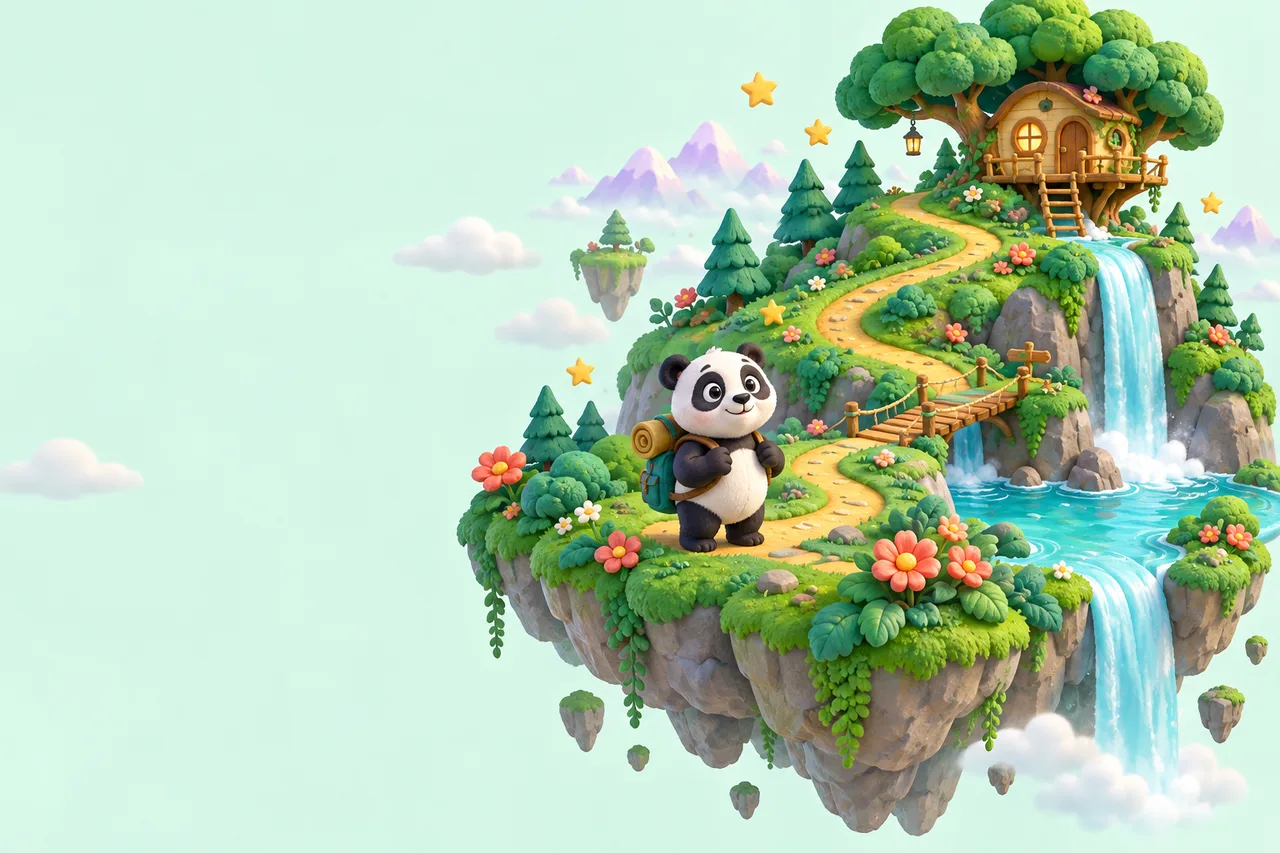
Learning feels like an adventure
Bright worlds, gentle challenges, and plenty of room to try again.
See how a five-minute play session works
This video preview will be available soon. For now, choose a game below and start exploring.
Video coming soon